


2026 Texas Groundwater Invertebrate Forum and Workshop Registration
Join us for the 2026 Texas Groundwater Invertebrate Forum (TGIF)
- November 6 (9 - 4pm)
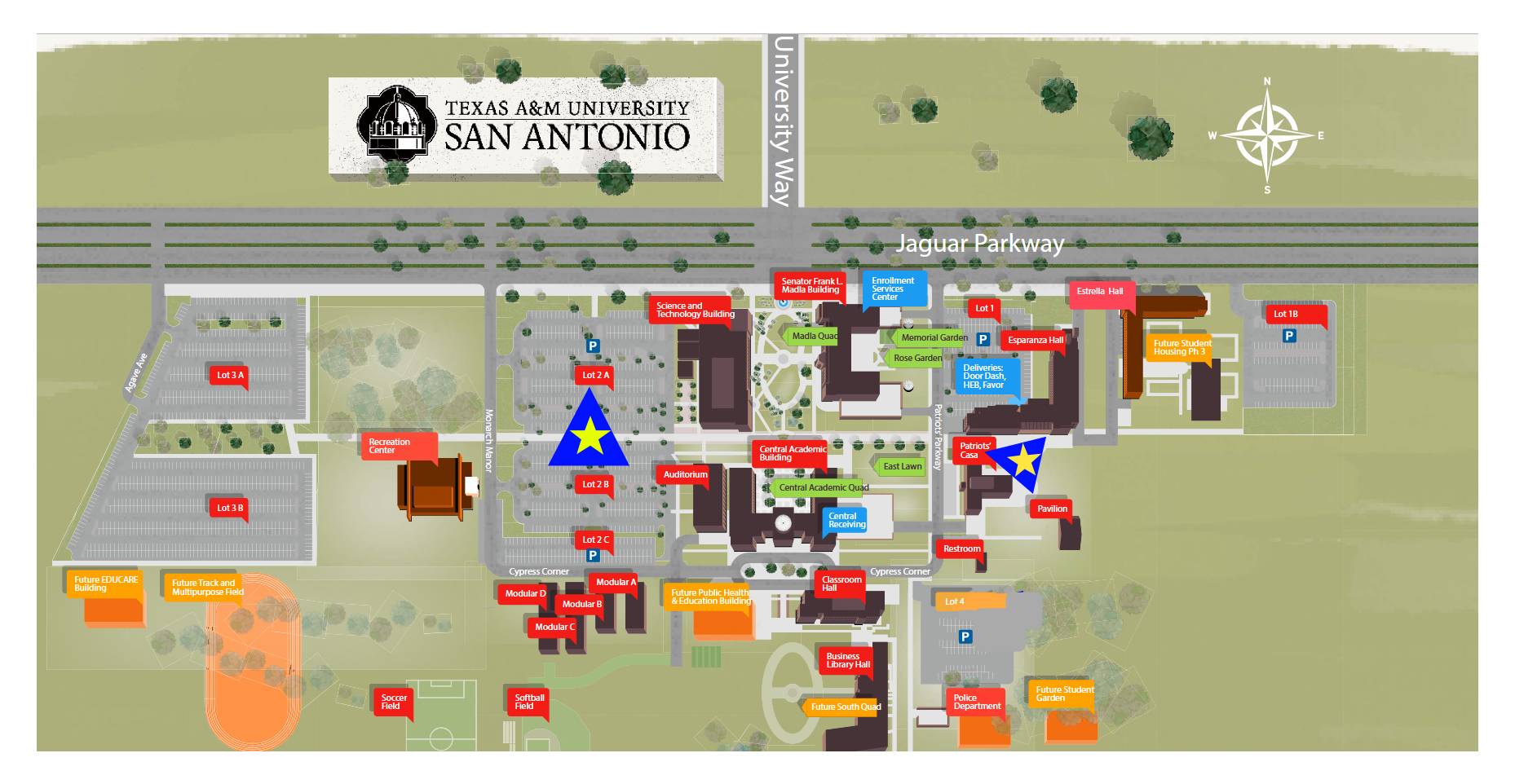
- Patriots' Casa Building (1st floor meeting room, see map)
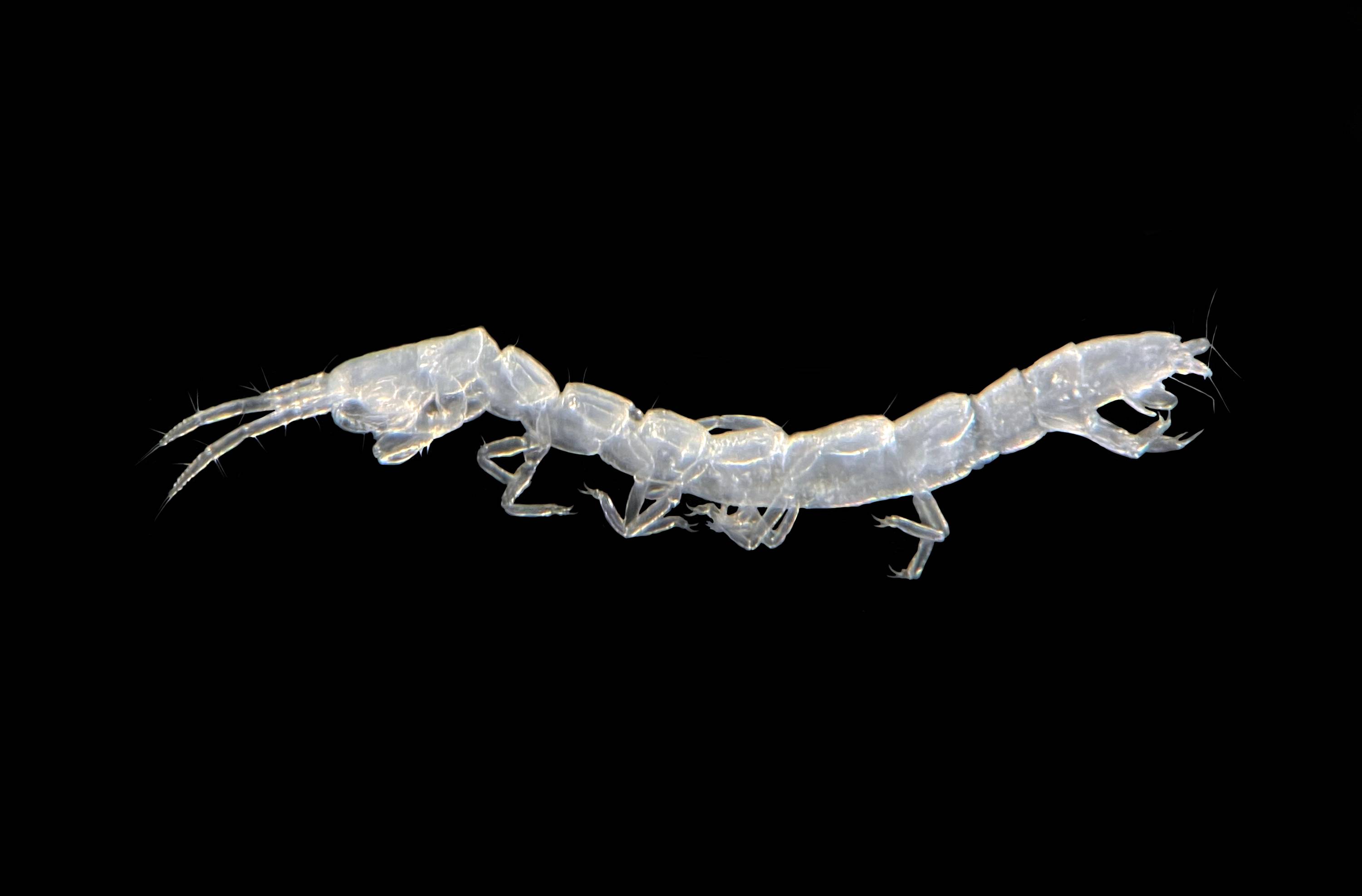
This year’s forum will be a great opportunity to connect with researchers, students, and other professionals involved in the study and conservation of Texas groundwater invertebrates. Expect to enjoy engaging conversations, shared research, and valuable time to make new professional contacts and potential collaborators. Whether you are actively conducting groundwater-invertebrate research or simply interested in learning more about these unique ecosystems, TGIF is a welcoming place to exchange ideas and build connections.
To Register for the Forum, click here:
Mark Your Calendars - November 6, 2026
Texas Groundwater Invertebrate Forum 2026| Time | Presenter | Co-Author | ||||||||||||||
|---|---|---|---|---|---|---|---|---|---|---|---|---|---|---|---|---|
| 9:00 - 9:10 | Liz Borda | Conference Host - Welcoming Remarks | ||||||||||||||
| 9:10 - 9:30 | Okan Külköylüoğlu | 164 Years of Ostracod Discovery in Texas: From Historical Records to Groundwater Biodiversity | ||||||||||||||
| 9:30 - 9:50 | Yamileth Guerrero | Taxonomic Study on bathynellids, Potential New Species in Texas | Benjamin Hutchins, Benjamin Schwartz, Kathryn E. Perez. | |||||||||||||
| 9:50 - 10:10 | Erika Frandsen | Relationships between benthic and hyporheic insect communities in Texas rivers | Benjamin F. Schwartz, Benjamin T. Hutchins, Weston H. Nowlin, Todd Swannack, Miranda Sams, Kierra Determan, Kirby Wright, Jessica Kittridge, Catherine Cline | |||||||||||||
| 10:10 - 10:30 | William Farris | Continent Surfing: The First Molecular Phylogeny of a Gondwanan Isopod Suborder | Ethan Kahn, Regina Wetzer | |||||||||||||
| 10:30 - 10:45 | Coffee Break | |||||||||||||||
| 10:45 - 11:05 | Danielle Bragg | Identification of metazoans in subterranean estuaries through eDNA | Elizabeth Borda, Elysse Le Blanc, Sofia Serrato, Fernando Calderón-Gutiérrez | |||||||||||||
| 11:05 - 11:30 | Rubi B. Mendez | Through the (vestigial) lens of the Austin blind salamander (Eurycea waterlooensis): New Histological Insights of an Endangered Species | Anabella V. Tamez (Department of Biological Sciences, St. Mary’s University), Chris A. Mares (Department of Natural Sciences, Texas A&M University-San Antonio), Dee Ann Chamberlain (Austin Watershed Protection, City of Austin), Ruben U. Tovar (Department of Biological Sciences, St. Mary’s University) | |||||||||||||
| 11:30 - 11:50 | Bailey Ellis | Groundwater Invertebrate Identifications Using Environmental DNA and Trapping Techniques | Katherine Bockrath Randy Gibson | |||||||||||||
| 11:50 - 12:10 | Photo Contest | |||||||||||||||
| 12:10 - 1:10 | Lunch (Cafeteria) | |||||||||||||||
| 1:10 - 2:10 | Poster Session-Coffee/Tea | |||||||||||||||
| 2:10 - 2:30 | Benjamin Hutchins | Groundwater mites: a diverse and poorly known element of the Texas groundwater fauna. | ||||||||||||||
| 2:30 - 2:50 | Andrew Cannizzaro | As above so below: Insights from epigean and hypogean amphipods in Texas | David J. Berg | |||||||||||||
| 2:50 - 3:10 | Peter Sprouse | All you need is love, and groundwater fauna: my journey through Texas Springs | ||||||||||||||
| 3:10 - 3:30 | Awards Presentation | |||||||||||||||
| 3:30 - 3:40 | Liz Borda | Conference Host- Closing Remarks | ||||||||||||||
| 3:45 - Onward | Kunstler Brewing | 302 E Lachapelle, San Antonio, TX 78204 | ||||||||||||||
| Author | Title | Co-Author | |||||||||||
|---|---|---|---|---|---|---|---|---|---|---|---|---|---|
| Elysse Le Blanc | Comparison of Total and Extracellular eDNA from Underwater Caves | Danielle Bragg, Sofia Serrato, Fernando Calderon-Gutierrez | |||||||||||
| Chatman Pardoe | Assessing relationships between fish and hyporheic communities in Texas streams | Brook Herman, Benjamin Hutchins, Joshuah Perkin, Noah Santee, Benjamin Schwartz | |||||||||||
| Eryl Akustin-Bingamon | Hyporheic Invertebrate Community Composition as a Function of Flow Regime in the Colorado River Basin, Texas | Benjamin Schwartz, Benjamin Hutchins, Safra Altman | |||||||||||
| Malaika Parpart | Flipping the Script: Phylogenetic Analysis of Sicifera bifurca Reveals a New Hypothesis for the Colonization of North America | Andrew G. Cannizzaro, Porfirio Guzman, James R. Gibson, David J.Berg | |||||||||||
| Kamiily Visser | Comparing Tooth Morphology Between Subterranean and Surface Eurycea Species from Central Texas | Ruben U. Tovar | |||||||||||
| Anabella Tamez | Spatial Distribution of Craniofacial Mechanosensory Organs (Neuromasts) of the Austin Blind Salamander (Eurycea waterlooensis) | Rubi B. Mendez, Chris A. Mares, Dee Ann Chamberlain, Ruben U. Tovar |

| Elizabeth Borda - Texas A&M University San Antonio |
| Fernando Calderon-Gutierrez - Stephen F. Austin State University |
| Kathryn Perez - University of Texas at Rio Grande Valley |
| Amelia Hunter - USFWS - Southwest Regional Office |
| Randy Gibson - USFWS– San Marcos Aquatic Resources Center |
| Victor Castillo III - Edwards Aquifer Research & Data Center |
| Benjamin Schwartz - Edwards Aquifer Research & Data Center |
| Benjamin Hutchins - Edwards Aquifer Research & Data Center |
Interactive Map for Directions--Click Blue Triangle Below
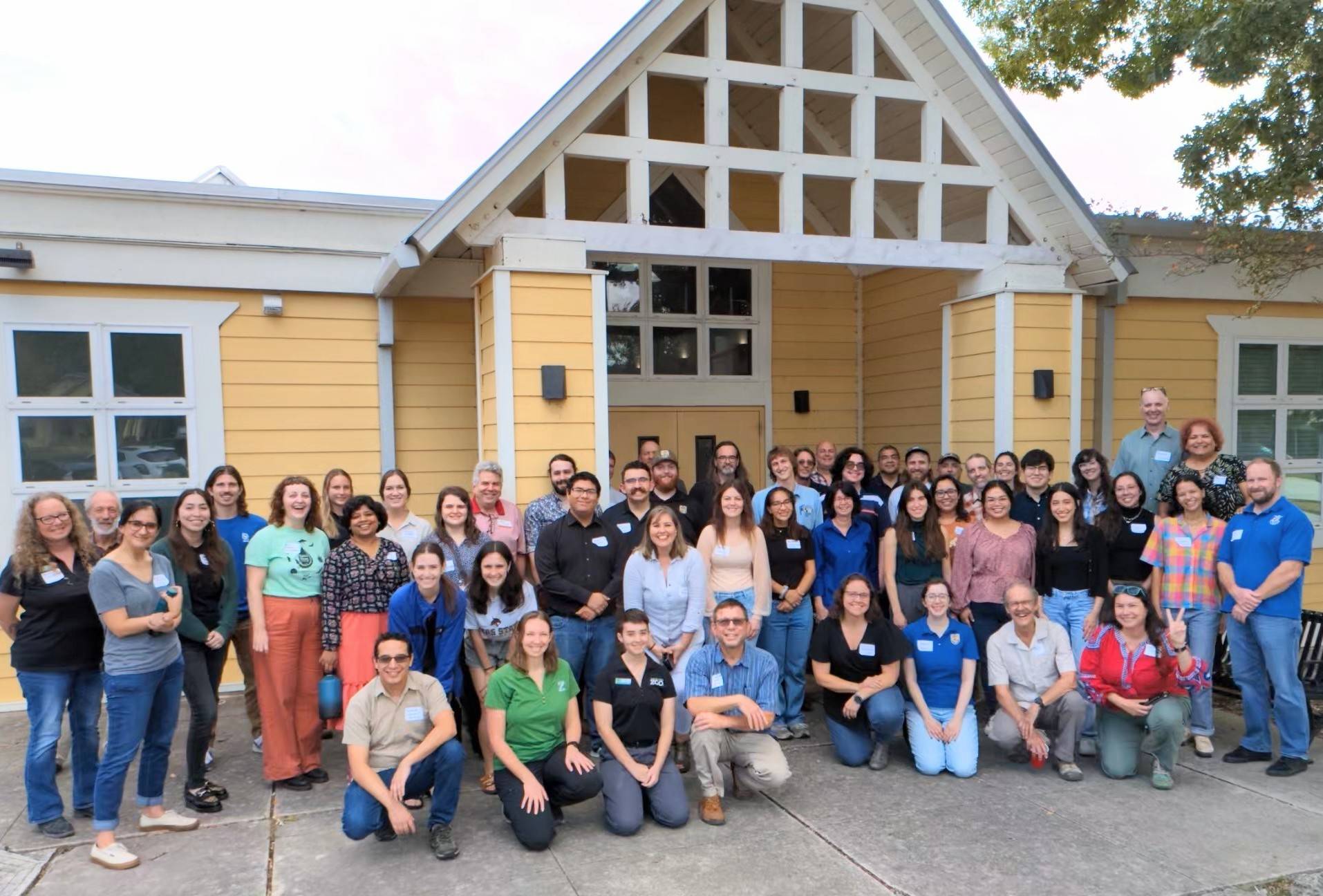
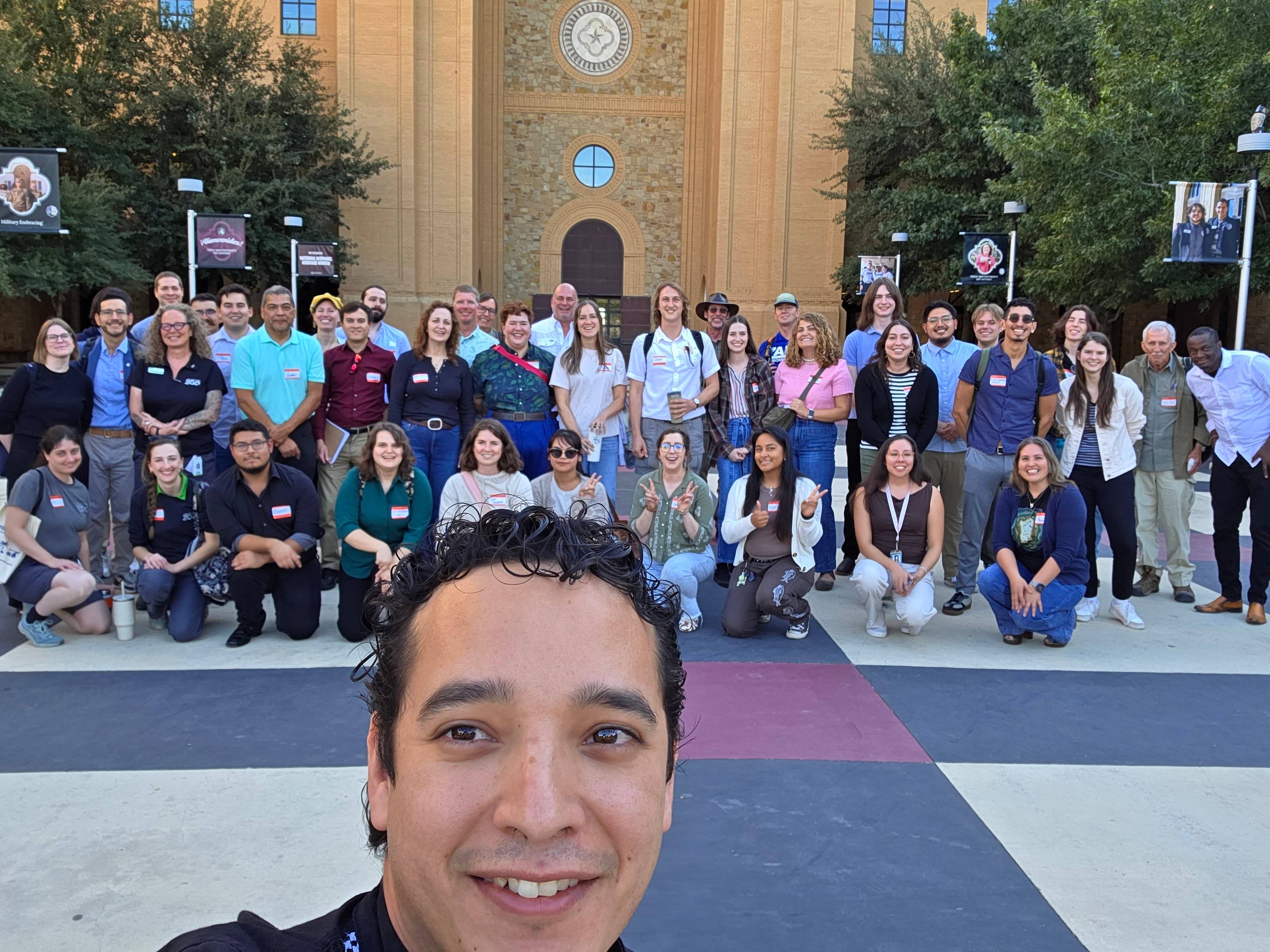
TEXAS GROUNDWATER INVERTEBRATE FORUM PHOTOS
GREAT TALKS-POSTERS WITH AN AWESOME GROUP OF ENTHUSIASTS!
GOAL
To bring together people who are working on subterranean biology so that knowledge and information can be shared and transferred and future efforts to increase knowledge of groundwater ecosystems can be coordinated.
MISSION STATEMENT
The mission of the organizers of TGIF is to encourage collaboration and exchange of ideas and information, and to more efficiently and clearly convey and transfer information to those who need and/or use it.
PROBLEM STATEMENT
A number of people are currently working on Texas groundwater organisms, however, there is infrequent research coordination and information exchange about the diverse projects and ongoing efforts that can cause barriers for those who want to fully understand groundwater biodiversity, promote efficient dissemination, and effectively use the data for research and management purposes.